Arthritis is a common health problem involving chronic inflammation of joints. It causes pain and damage to joints, bones, and other parts of the body depending on the type.
Osteoarthritis, which is not inflammatory, is the most common, although there are more than 100 types. Up to 40% of men and 47% of women may be diagnosed with osteoarthritis in their lifetime.
Meanwhile, rheumatoid arthritis and psoriatic arthritis are inflammatory conditions that are considered autoimmune diseases. Gout is another common type of inflammatory arthritis.
Research shows that dietary interventions, such as eliminating certain foods and beverages, can reduce the severity of symptoms in people with inflammatory arthritis and osteoarthritis, as well as improve their overall quality of life.
In this article, we will be sharing foods and beverages you should avoid, as well as bonus tips and what foods are best for your arthritis condition.
1. Alcohol and sodas
Try to decrease the amount of alcohol you consume, as it can aggravate inflammation that occurs when you have arthritis. The effects can be felt from the first or second drink of the evening. The same goes for sodas, which contain ingredients that can exacerbate arthritis pain by worsening inflammation.
2. Refined Sugars
Refined carbs, like white bread, not only provide your body with minimal nutrition but can also fuel the production of compounds that promote inflammation. Replace white bread with wholemeal bread, which will also provide fiber, vitamins, and minerals.
3. French fries and crisps
French fries are (unfortunately) to be avoided by people with arthritis, as well as potato chips. Like refined carbohydrates, these foods increase inflammatory compounds in the body and are often cooked in oils made up of pro-inflammatory omega-6 fatty acids. Also, they tend to have extra salts. These three factors make French fries and potato chips a very poor food choice for arthritis.
4. Sweets
Sugar is a major inflammatory agent in our diet, as are saturated fats. However, many sweets such as ice cream and cakes contain high levels of sugar and saturated fat. Fortunately, you replace butter and cream with low-fat yogurt and reduce the amount of sugar. Avoid turning to margarine, which contains too many trans fatty acids.
5. Certain oils
Safflower, sunflower, soy, and corn oils contain more omega-6 fatty acids than omega-3 fatty acids. Since omega-6s are pro-inflammatory fatty acids, as opposed to anti-inflammatory omega-3 fatty acids, these oils may worsen arthritis symptoms. You can easily replace them with avocado, walnut, flaxseed, or cod liver oils.
6. Red meat
Meats, especially red meats, promote inflammation in the body in different ways. Processed foods, such as deli meats, are often high in saturated fat and high in sodium. Try to limit your consumption as much as possible and focus on quality products.
7. Gluten
Gluten – a protein that gives many starchy foods their stickiness – is found in wheat and related grains (like barley and rye) and may promote inflammation in some people. (Oats are gluten-free but can be contaminated during processing, so check the label.)
People with celiac disease — an autoimmune disorder where gluten causes the body to attack and literally injure the digestive tract — should avoid gluten altogether. People with arthritis who have a gluten intolerance — a less serious condition that can still trigger inflammation and other symptoms — may also want to eliminate gluten from their diet. People with certain types of arthritis, like rheumatoid arthritis, should consider getting tested for celiac disease. Celiac disease and RA are autoimmune diseases and often occur together.
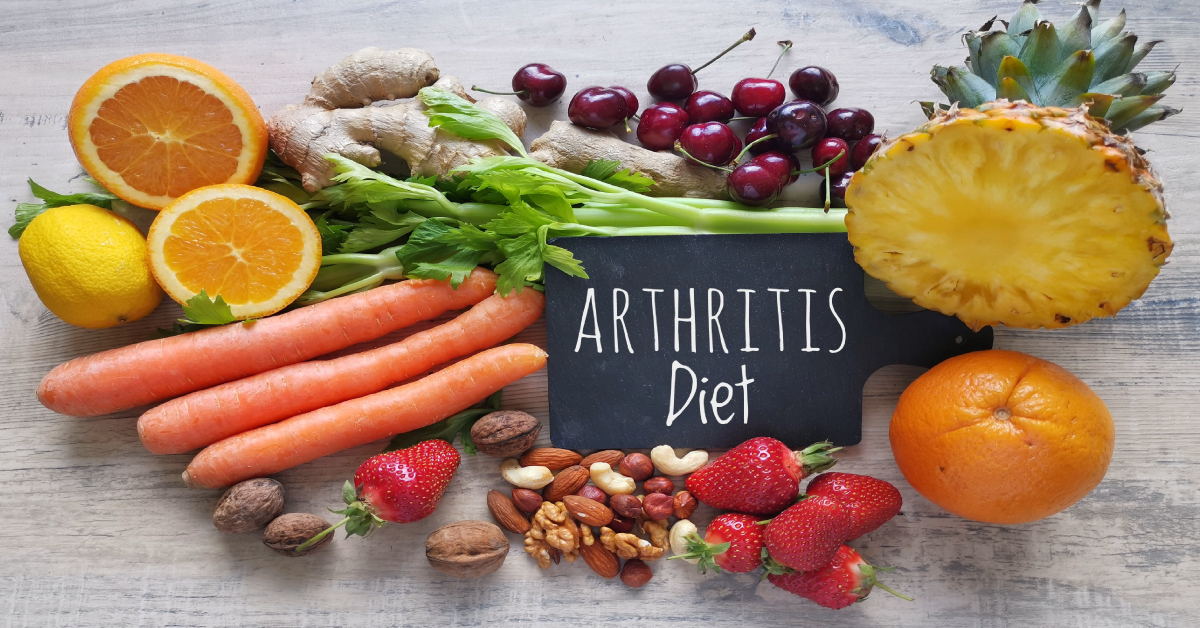
Foods You Should Include in Your Diet.
Red fruits (full of antioxidants)
Blueberries, cherries, raspberries, goji berries… All these red fruits contain anthocyanins which act as powerful antioxidants.
To fight against free radicals, enjoy them plain, in a salad, in a smoothie, or in cottage cheese. On the other hand, avoid pies because the dough is often rich in bad fats and you would lose all the benefits of the berries.
Brassicas, fibers, and vitamin K
Red cabbage, cauliflower, Brussels sprouts, broccoli- brassicas are not always very popular, and yet…
They contain sulfur and fibers which have antioxidant properties. Also, they have vitamin K which helps the bones to fix calcium –essential in the event of cartilage wear.
To facilitate digestion and avoid the inconvenience of bloating, boil them in water first, then cook them as usual.
Ginger – anti-inflammatory properties
Ginger contains gingerol, an active ingredient responsible for its anti-inflammatory properties.
You can consume raw ginger by grating it or in powder form by incorporating it into your dishes and sauces. To vary the taste, alternate with turmeric, one of the spices that make up curry, also very rich in antioxidants.
Flax seeds, essential fatty acids
With their nutty taste, flax seeds also contain the famous omega 3.
You can put them in your salads or reduce them to powder for your preparations and sauces. You will find them in the dried fruit section of your supermarket.
Some specialty stores also offer flaxseed oil and bread.
The bottom line
If you have arthritis, don’t despair, a healthy diet and lifestyle may help improve your symptoms.
Research shows that you should avoid certain foods and beverages, including highly processed foods, fried foods, red meat, and foods rich in added sugars.
Keep in mind that lifestyle factors such as your body weight, activity level, and smoking/drinking status are also vital to managing arthritis.