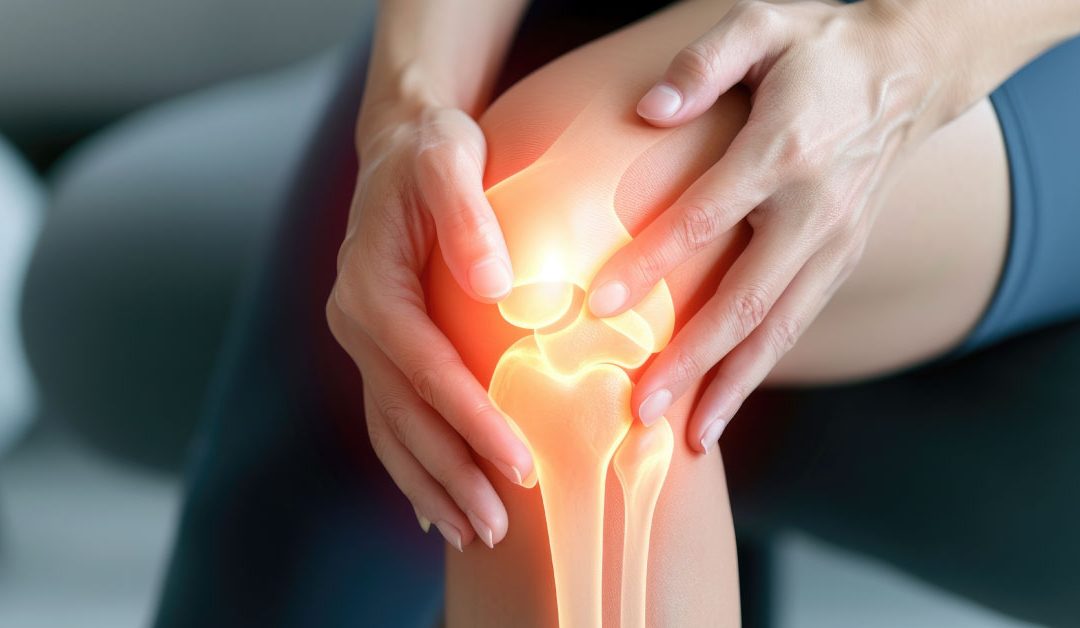
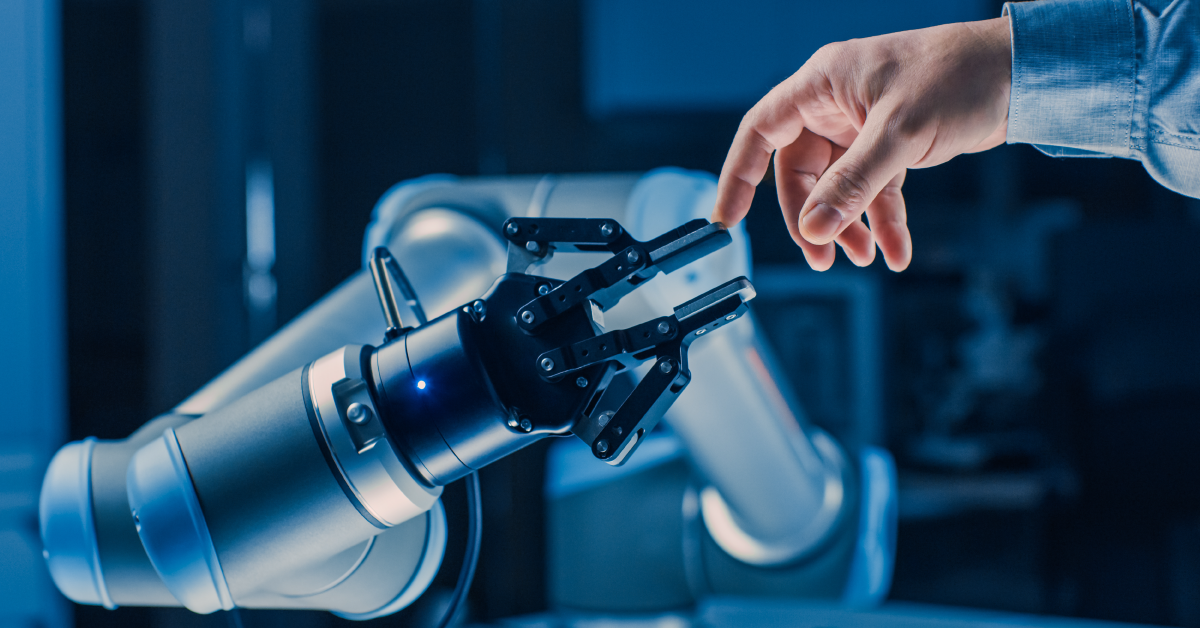
After surgeries or a stroke, it often makes medical sense to move the patient’s joints and muscles intensively and sustainably to promote healing. If this movement is not performed, it can lead to complications resulting in reduced mobility. To prevent this, the easy-to-use Life Science Robotics (LSR) ROBERT® rehabilitation robot was developed in Aalborg, Denmark.
“With our solution, we want to help mobilize patients more quickly and efficiently, while relieving the burden on caregivers,” explains Keld Thorsen, president, and CEO of Life Science Robotics.
Rehabilitation With a Robot
The inspiration and starting point in inventing ROBERT is based on practical experiences in the local university clinic. “The nursing staff carried out the rehabilitation measures manually on patients. It was physically demanding, time-consuming work performed at the expense of higher-value activities. The idea was to automate the process” says Rune.
The problem was that the first prototype was an industrial robot. “We realized very quickly that it would be very difficult for us to obtain the necessary authorizations for a medical product”, recalls Rune Kristensen of LSR. Ideally, it needed a robot that could get permission to make it an essential component to finding a solution quickly and easily. And that’s how ROBERT was refined.
Intensity Matters in Rehabilitation Therapy.
ROBERT® works with great precision, individually and very flexibly. It can perform the same movements again and again, without interruption, fatigue, or time limit. The saying “Intensity Matters” is the maxim of rehabilitation, and it becomes economically feasible with the robotic assistance of ROBERT®. The solution relieves the caregiver who is then able to carry out activities close to the patient while monitoring the treatment or to take care of other patients.
Efficiency, simplicity, conservation of resources – rehabilitation with a robot is a trend of the future
“Demographers indicate that in 20 years there will be many more people over the age of 60 than there are today. This means that the need for assistance will increase while at the same time the number of caregivers will decrease. ROBERT® is positioned to fill this gap. The rehabilitation robot is already in use in Poland and Finland.
“Currently, we are trying to develop our distribution channels with the help of our partners”, explains Keld Thorsen. With the after-sales service, he hopes to benefit from the KUKA partner and its worldwide after-sales service network. “I am optimistic and believe that we will soon reach an agreement. Thus, ROBERT® will be able to assist even more patients during mobilization.
Benefits of Early Mobilization
Early mobilization is the top priority for any admitted patient who has gone through surgery or immobilized for whatever reason. You want to get up and move as soon as possible. And here is why;
- Increases blood flow and prevents bedsores, blood clots, and wound infections.
- Improves respiratory function which prevents chest infections.
- Maintain muscle strength and hence independence thereafter.
- Improves the digestive system and general wellbeing.
- Reduces anxiety and boosts confidence in the patients.
In summary, ROBERT will offer numerous benefits to both patients and healthcare professionals. Caregivers will be able to reduce repetitive and heavy lifts and free resources for other activities. For patients, the possibility of enhancing early mobilization, hastening recovery, preventing pressure sores, blood clots, and muscular atrophy is an exciting offer everyone should look out for.
References
https://www.lifescience-robotics.com/
https://www.census.gov/newsroom/press-releases/2018/cb18-41-population-projections.html