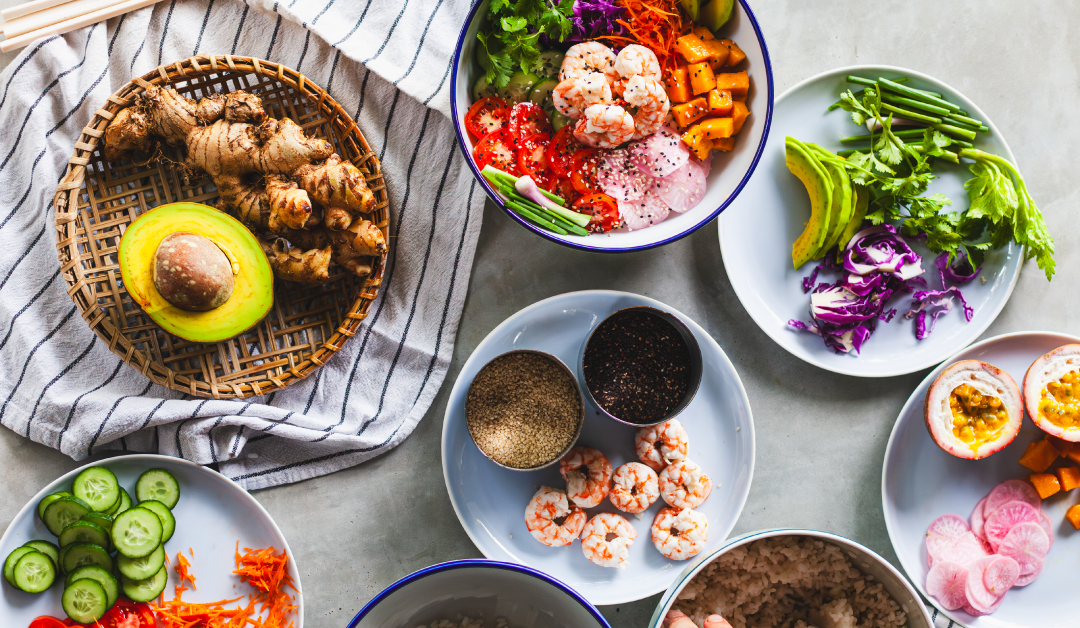

Eating for heart health doesn’t mean giving up the foods you love. In fact, many of the most flavorful ingredients—herbs, spices, fruits, vegetables, and healthy oils—play a key role in protecting your cardiovascular system. For retirees and older adults, prioritizing heart health through food is one of the most powerful steps you can take to support long-term wellness.
The key is learning how to balance flavor and nutrition in a way that’s satisfying and sustainable. Rather than focusing on restriction, a heart-healthy eating style celebrates real food, vibrant tastes, and smart ingredient choices. With a few simple swaps and flavorful additions, your meals can support your health without ever feeling bland.
Focus on Ingredients That Naturally Boost Flavor
Heart-healthy cooking often relies on ingredients that enhance flavor without relying on salt, saturated fat, or heavy sauces. Herbs, spices, citrus, and natural aromatics like garlic and onion can transform simple meals into restaurant-worthy dishes—all while protecting your heart.
Build your meals around ingredients that support flavor and health, such as:
- Fresh herbs like basil, cilantro, rosemary, and thyme
- Spices like cumin, paprika, turmeric, and black pepper
- Aromatics such as garlic, onions, leeks, and scallions
- Citrus zest and juice from lemons, limes, and oranges
- Healthy oils like extra virgin olive oil or avocado oil
- Natural umami sources, including mushrooms, tomatoes, and low-sodium soy sauce
Experimenting with flavor helps you look forward to meals—and makes it easier to maintain heart-healthy habits long term.
Try Simple Swaps That Make a Big Difference
Making your favorite meals more heart-friendly doesn’t require a full dietary overhaul. Many dishes can be transformed with a few strategic changes that reduce sodium, saturated fat, or added sugar without compromising flavor or texture.
Here are some practical swap ideas:
- Use olive oil instead of butter for sautéing and dressing vegetables
- Choose whole grains like brown rice, quinoa, or barley instead of white rice or pasta
- Replace red meat with fish, beans, or lentils a few times a week
- Flavor with vinegar or citrus instead of added salt
- Snack on nuts or fruit instead of chips or processed sweets
These small changes add up and help protect heart function by lowering blood pressure, reducing inflammation, and improving cholesterol profiles over time.
Know What the Research Recommends
Heart-healthy diets are backed by decades of research. Eating patterns like the Mediterranean diet and DASH diet consistently show benefits for cardiovascular health and overall longevity. These diets emphasize whole foods, healthy fats, plant-based meals, and limited processed ingredients.
According to the American Heart Association, following a heart-healthy eating pattern can reduce the risk of cardiovascular disease by up to 30% (American Heart Association, 2023, Dietary Guidance to Improve Cardiovascular Health, https://www.heart.org/en/news/2023/01/27/new-dietary-guidance-focuses-on-overall-pattern-of-foods). The core recommendations include:
- Filling at least half your plate with fruits and vegetables
- Choosing lean proteins like fish, poultry, beans, and legumes
- Using whole grains over refined options
- Limiting added sugar, sodium, and saturated fats
- Staying mindful of portion sizes and total caloric intake
Rather than thinking in terms of “good” and “bad” foods, focus on your overall pattern—what you eat most of the time has the greatest impact.

Use Meal Planning to Stay on Track
Planning meals ahead of time is a helpful way to stay committed to heart-healthy choices without feeling restricted. When you plan, you’re less likely to reach for convenience foods or rely on last-minute decisions that don’t align with your goals.
Build your week with variety and flavor using these strategies:
- Batch cook whole grains to use throughout the week in bowls or salads
- Keep a few go-to heart-healthy meals on rotation, such as salmon with roasted vegetables or lentil soup with whole-grain bread
- Prep fresh fruit and veggies for snacking so they’re easy to grab
- Use one-pan or slow-cooker recipes to simplify healthy cooking
- Keep healthy ingredients stocked, like olive oil, canned beans, frozen greens, and low-sodium broth
Meal planning makes it easier to stay consistent and gives you more control over ingredients and flavor.
Enjoy Food Without Guilt or Limitation
Healthy eating should feel enjoyable—not restrictive. Rather than focusing on what you can’t have, heart-healthy eating works best when centered around abundance: vibrant produce, colorful spices, satisfying whole grains, and nourishing proteins.
That also means leaving space for the occasional treat. Having dessert once in a while or enjoying a favorite comfort food doesn’t undo the good habits you build throughout the week. The best eating plans are sustainable and flexible, making room for joy as well as health.
Give yourself permission to enjoy your meals, explore new flavors, and experiment in the kitchen. The more pleasure you find in heart-healthy food, the easier it becomes to stick with it.
Love Your Heart With Every Bite
Heart-healthy meals are not about sacrifice—they’re about nourishment, enjoyment, and long-term wellness. With the right ingredients, simple planning, and an openness to trying new flavors, you can support your heart health without giving up delicious meals.
Retirement is the perfect time to rediscover cooking and eating in a way that fuels your body and satisfies your palate. With each heart-smart choice, you’re investing in more energy, vitality, and years of healthy living ahead—one flavorful bite at a time.